#OurFoodHasAStory Post 11 Stuart Smyth: Communicating the Benefits of Agriculture Innovations

Day 11 of Agriculture Month in Saskatchewan is exciting for me. Today’s author is Stuart Smyth, a researcher, educator and communicator – all about agricultural science. The reason that farmers and ranchers are able to do what we do, and raise what we raise, is due to those in research and education. 

Follow Stuart on Twitter @stuartsmyth66 or check out his University of Saskatchewan profile here: http://www.usask.ca/research-groups/stuartsmyth/About%20Dr.%20Smyth/Profile.php

……………………………………………………

As a professor in the College of Agriculture and Bioresources at the University of Saskatchewan, there are two things that make my job one of the best in the world, sharing the results of farmer surveys and teaching farm kids.

I receive several invitations, national and international, each year to attend conferences or other events and give a presentation based on my research. Yet, the presentations I enjoy the most are the ones I give to Saskatchewan farmers. Farmers are incredibly savvy businesswomen and businessmen, who know very well just how economical a new innovation is or is not for their operation. This is often the case regardless of the innovation, whether it is in a new piece of equipment, chemical or crop variety. That’s because they take the time to find out. Farmers also know how well a particular innovation is succeeding in their general area, but they may have less exposure to impacts at the larger, provincial level. This is often where I’m able to share some of the findings of my research with them, to give them a broader sense of the provincial impacts.

 These opportunities to speak with the farm community are valued ones, as the exchange of information is two-way. While I am able to share some of my research findings, I’m also able to have the results validated by those in attendance, allowing me to know what results are pretty accurate and which ones might require further research. Luckily for me, farmers are relatively forthcoming about sharing insights about farming that they are interested in, expanding my knowledge and understanding. A lot has changed on farms since I left my family’s farm in the mid-1980s, so being able to expand my awareness regarding current issues, topics and concerns is incredibly valuable for me.

Being able to teach classes of predominantly farm kids is truly a rewarding experience. Their passion and enthusiasm for agriculture is certainly infectious. Getting a chance to know these students a bit over the course of their education makes teaching classes exciting as the students are curious about changes and innovations in agriculture and the resulting impacts. As I get to know the students, I’m reassured about how capable they are and know that as the future leaders of our province, we are in good hands. One of the most dramatic changes I’ve seen in agriculture at the U of S is the high number of female students today, compared to the class photos that adorn the hallways. Class photos from the late 1970s and well into the 1980s show a handful of female students at most, definitely less than 10% of the total class size. For the past few years, the graduating classes from the College of Agriculture and Bioresources have been over 50% female.

Growing up on a farm in the 1970s and 80s, but not actually farming myself, has never been something that I’ve easily accepted. However, being able to report on the farm level benefits of agricultural innovations and to teach farm kids is pretty good compensation for not being able to farm. Every day that I drive onto the U of S campus, I’m so very thankful that I have the opportunity to work in agriculture.  
#OurFoodHasAStory Post 10 Shayla Hertz: Celebrating Our Connection Through Food

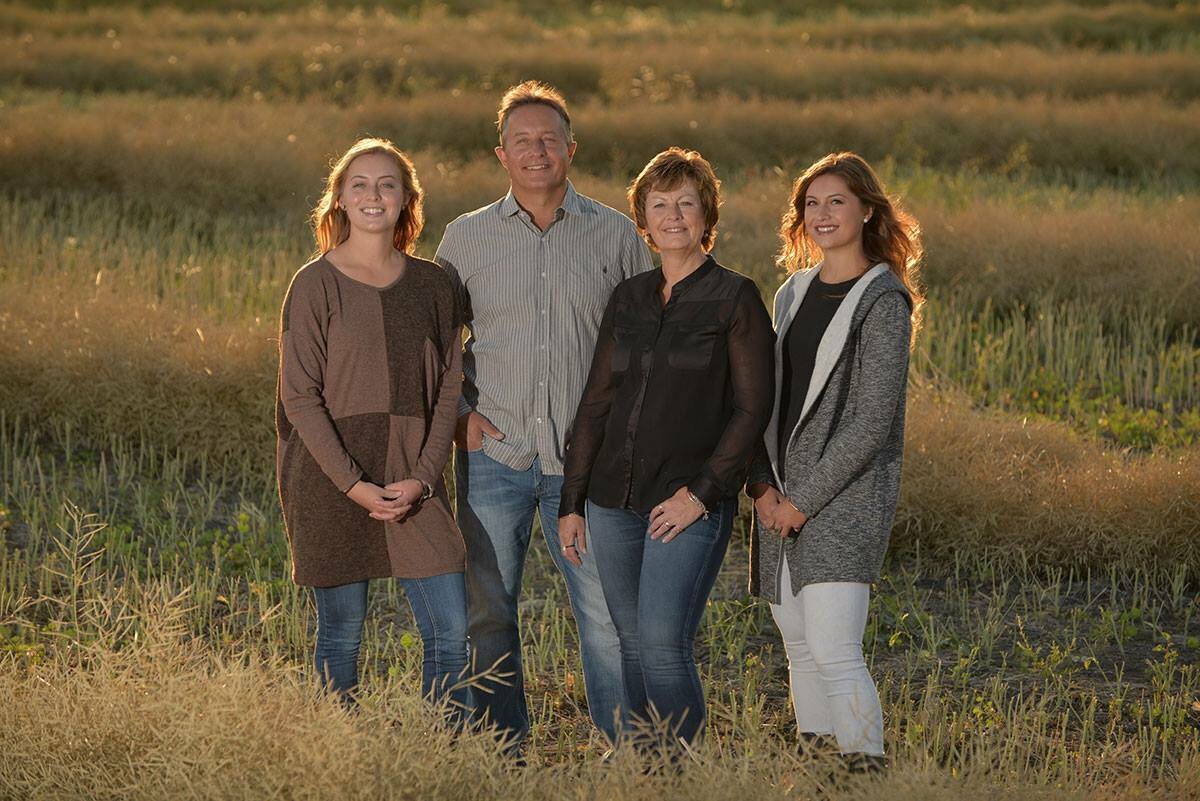
It is day 10 of Agriculture Month in Saskatchewan. I have only had the pleasure of meeting today’s author, Shayla Hertz, once, but I have been awed and inspired by her mother, Alanna Koch for years. Like Shayla, I have also travelled the world, and also like her, I am proud of the amazing (and safe!) ways Saskatchewan raises and grows food. Enjoy!!! 

……………………………………………………


October is Agriculture Month, a time to celebrate something we are all connected to and by. Food.

Ag Month is about celebrating how food grown on farms gets to our tables, how this food is healthy and nutritious, how it’s affordable, how this food is safe, and how truly sustainable this food is. These are values everyone shares in Saskatchewan. These are values we are united by across the globe, people simply prioritize them differently. 
This weekend is Thanksgiving. I’ll be with my family. Many are grain farmers. We’ll eat turkey, cranberries, stuffing, cabbage rolls, potatoes and gravy, seasonal veggies, and some kind of pie. Food that’s associated with love and happiness. Thanksgiving has always been an extra special time of year for us. It signifies the end of harvest (usually!), a time where farmers work extremely hard to get their crops off. These crops will be the food you and I eat. 


Agriculture is synonymous with home for me. I’ve traveled to other parts of the world and what I love most about Saskatchewan and Canada is knowing whole-heartedly that we have access to safe, healthy, and affordable food, always. Not only that, but that we contribute significantly to feeding other parts of the world where people can’t grow enough food for themselves, doing so in an environmentally-conscious way. 


This Thanksgiving and this #AgMonth17, I’m celebrating being able to enjoy food produced with the use of modern technology and production methods. The food of today. Food that is just plain GOOD. 

That’s a chapter in my food story. Can you tell me about yours?

#CelebrateFood #Thankful #OurFoodHasAStory

#OurFoodHasAStory Post 9 Adele Buettner: If My Kitchen Table Could Talk

Day 9 of Agriculture Month in Saskatchewan brings us a guest post from a good friend of mine, Adele Buettner. Adele is more than a friend, she is also an inspiration to me. She is a force to be reckoned with in an industry which hasn’t always embraced women in leadership roles. Through her company, Agribiz Communications, (see them here), she works with awesome organizations like Farm and Food Care Saskatchewan, helping farmers share their stories with the public.  Read Adele’s food story, and I am sure you will be inspired as well. 

……………………………………………………


Growing up on a family farm minutes from Saskatoon, I had the best of both worlds. While it was relatively effortless to make the five-minute drive to the city to take part in extracurricular activities, meet up with friends or go shopping, I was also very fortunate to live, learn, work and play on a family farm. I grew up fully integrated in the two worlds.
At the farm, the pivotal gathering point was our kitchen table. Since my grandparents farmed with us and lived in the same yard site, it was never a sure thing where our evening meal would be.

Regardless of which of the two kitchen tables we ate at or which meal of the day it was, we were fortunate to always enjoy an abundance of beautifully prepared homemade foods. We were taught that mealtime was family time. We all ate at the table together. Conversations, debates, storytelling, sibling rivalry, laughter and sometimes tears, all took place around the kitchen table.

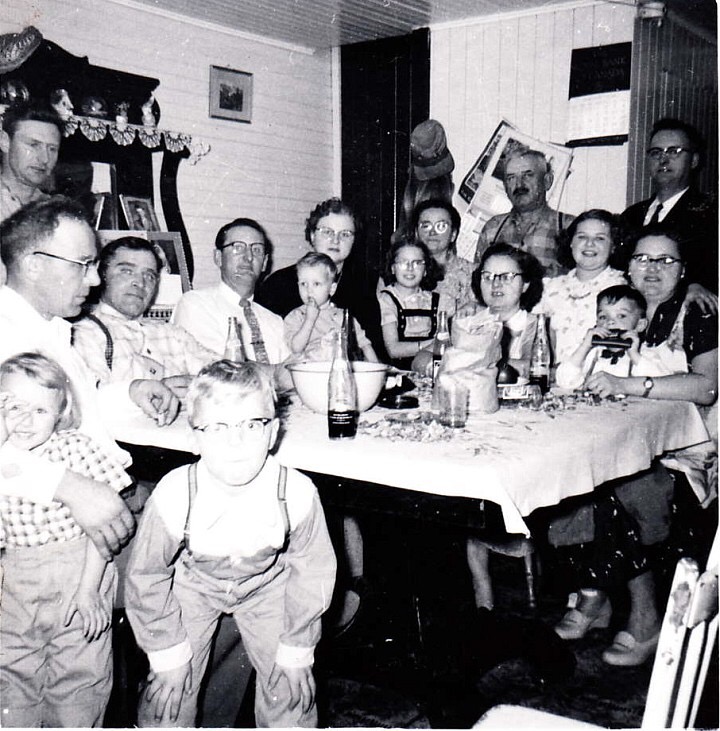
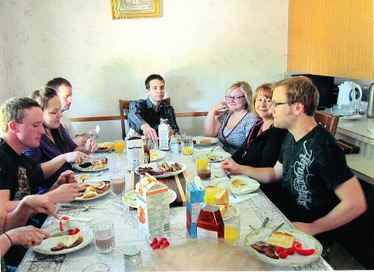
Family gathered at my Grandparents table.


As farmers, much of what we ate came from the labour of our own hands. Going out for supper was a rare treat and we hardly ever ate food from a can or a package. Rather, the bulk of our vegetables came from our garden and our meat came from our barn or pasture. As with the foods grown on our farm today, the food on our table when I was growing up was produced with care and respect for both the land and animals.

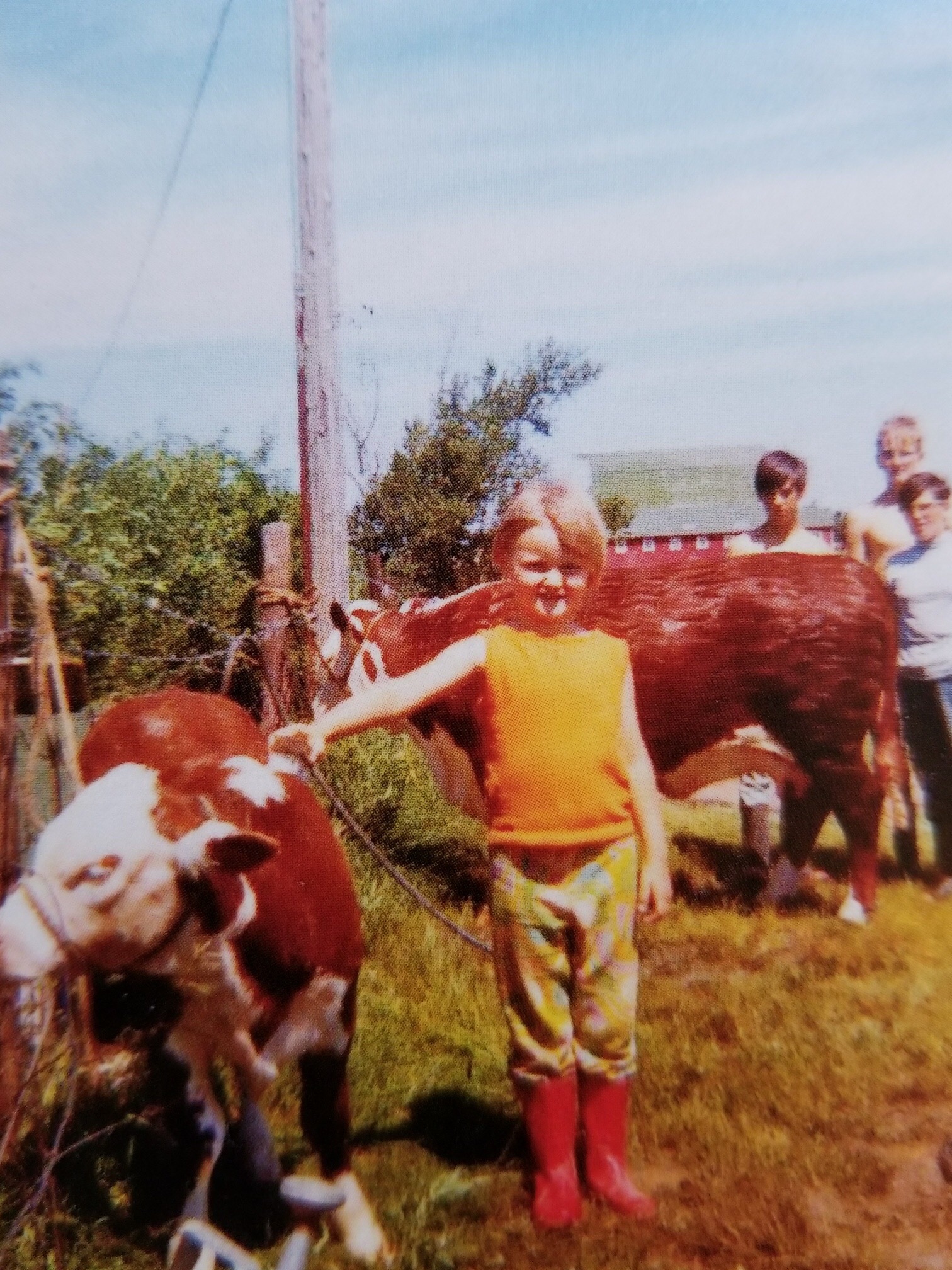
Washing cattle for the regional 4H show.


The kitchen table also served as a focal point when neighbours would stop by. They would sit around the table visiting, drinking coffee and enjoying an endless selection of open-faced egg salad sandwiches on Mom’s freshly baked buns and an infinite selection of homemade sweets, which I always found delicious fresh or frozen! The kitchen table also provided untold hours of enjoyment for all the card games and board games we played with family and friends. And every evening, the kitchen transformed to a library, as after a day of hard work, my parents would have a coffee and read the daily paper while sitting around the kitchen table.

Our table was also the office. As computers were not yet a household must-have, a notebook and pencil were essential to planning for the next growing season. It was at the same table where we enjoyed the goodness of homegrown food that my parents would discuss what they were going to seed for the next year, what genetics they are going to introduce into their cattle herd, what equipment they should look at upgrading or what horse show we would attend the following weekend. The very place where the food was shared with family and friends is the same table where the cycle of what to grow was decided.

Adele and her daughter at Canadian Quarter Horse Nationals.


Growing up, I was expected to help with chores like cleaning barns (chicken and horse), gathering eggs, and feeding horses. My mom also taught me how to process cucumbers, make homemade soup and how to cook without relying on a can opener. My parents taught me the how to grow good food and to celebrate family and the blessings of good friends.

My mother pickling cucumbers.


Today when friends and family gather at my home, the kitchen table is also the gathering spot. I cook with good ingredients that come from farms in Saskatchewan, across the country and around the world. I was fortunate to learn my way around the kitchen from a mother and grandmother that could have given the Top Chef Canada winners a run for their title. Card games, board games, visiting, counseling, laughing, crying, storytelling and memory building—these are all regular occurrences around my kitchen table.


Saskatchewan is Canada’s only province that dedicates a whole month to agriculture, which is fitting because farming and ranching are so important to our economy, our people and our culture. I certainly relate to the tag line “Our Food Has a Story”. For me, the centre of my food story is the kitchen table where good food is shared, stories are told and memories are made.
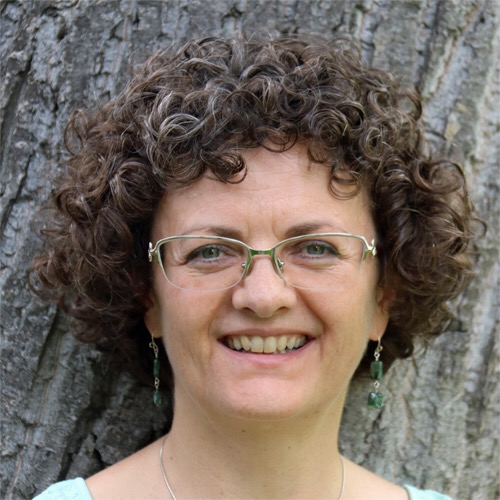

 
Adele Buettner owns AgriBiz Communications, which for 25 years has helped ag related organizations, including Farm & Food Care Saskatchewan, with management, marketing and communications services. Adele is a passionate foodie, family supporter and volunteer. While she lives and works in Saskatoon, she maintains involvement in the family farm and remains to this day a farm girl at heart.


#OurFoodHasAStory Post 8 Donna Stone: Why I Love Gardens

Donna Stone is our guest author for day 8 of Agriculture Month in Saskatchewan. Donna and her family grain farm near Davidson. I love her story of the garden and the peace it brings her. I completely understand…. every part except the weeds! Ha! 

Stay tuned later in the month to hear from her husband Rob and his food story. 

……………………………………………………

Hauling weeds


From as far back as I can remember, I have loved gardening. The smell of the freshly tilled soil, watching those tine seeds grow into beautiful plants and reaping the delicious rewards the garden produces. I even find pulling weeds relaxing and therapeutic. I love it all!

Canning Tomatoes


​I have learned a lot through gardening. Family stories and history were shared while I shelled peas with grandma or picked raspberries with grandpa. Plenty of “life lesson lectures” happened while my brother and I pulled weeds with mom. Through watching and helping, I also learned how to preserve and store the wonderful fruits and vegetables our gardens provided.  

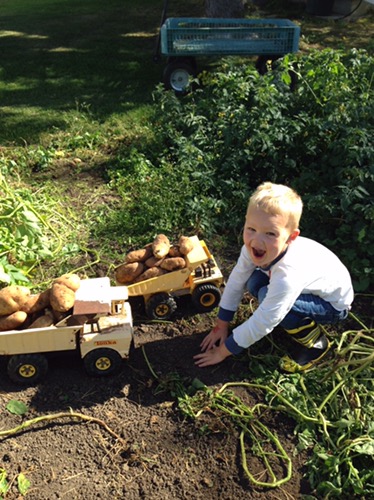
Hauling potatoes farm kid style


​I have tried to pass my love of gardening on to my kids, and I think it’s working. They love helping from planting to harvest. Like I did, they are also making fond memories of gardening with their parents and grandparents. They’re learning that the best tasting food is the food you grow yourself and I hope someday the traditions and knowledge are passed on to their kids.

#OurFoodHasAStory Angela Jones:

It’s day 7 of Agriculture Month, and my fellow blogger, Angela Jones has written this excellent guest post. Angela is a kindred soul, as she loves talking about agriculture and food as much as I do. I love so much about this post – be sure to give it a read!! 

Give Angela a follow on FaceBook or give her blog, Agriculture Today, a read here

……………………………………………………


After discussing how to promote the #OurFoodHasAStory campaign with Adrienne, I decided to send her a short write up of my involvement with food to celebrate agriculture month in Saskatchewan. We have connected with one another through our shared passion of talking to consumers and telling the story of AG and I loved her idea!  

 I live in North East Saskatchewan with my husband Michael and two children; Brayden age 15 and Crandall age 11. My family has been farming Canadian soil for 105 years and although I actively farm on my husband’s family farm, I still feel the century long commitment of caring for the land and protecting what generations before me have worked so hard to build. 

My great grandfather Nycolai Stasiek who came from Ukraine and founded the family farm in 1912


 The 80’s were a tough economic time in rural Saskatchewan and the future didn’t look all that bright. As my parents sustained the operation by driving over 20 miles to work, the narrative I continually heard from them was to ‘get off the farm and get a good job’. I heeded their advice and went away to school for a time but the gravel roads and freshly tilled dirt lured me back (the lure also may have been influenced by a handsome young man whom I would later call my husband). Now that I am here, I can’t imagine any place I would rather be. 


My connection to food is two-fold. I not only love growing it, but I also have a robust fondness for cooking. Many rainy days are spent experimenting with new ingredients or preparing recipes of old that have traveled with my grandmothers from Sweden and Ukraine. When I was younger this interest in cooking exposed me to some very strong suggestions that farmers were not properly taking care of our environment or always selling a safe product. I was shocked, angry, and I couldn’t believe the hard-working people that I grew up around would put profit over people or safety. It didn’t make sense to me but I believed a lot of the fear surrounding food production anyway, especially as I became a mother and wanted the very best and safest options for my baby. As I spent more time on my husband’s farm learning, asking questions, and eventually actually being involved in the work, I realized how wrong many of the food bloggers and marketing campaigns were. Canada has one of the strictest regulatory systems in the world, we have the safest food supply in the world, marketing is usually just marketing and not based on fact, and farmers care. They really do care about the environment, the soil, their animals, and the product they sell. 


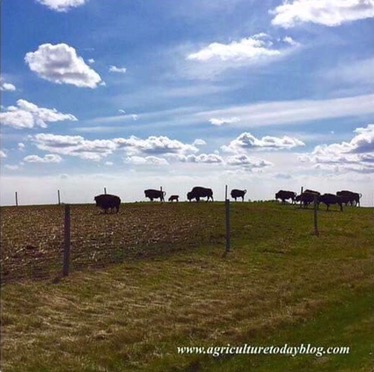
On our operation we grow wheat, barley, oats, lentils, canola and raise bison. We grow these crops because they are well suited to our climate and short growing season. Canola tends to bring in one of the highest returns and often other cereals and pulse crops are grown to maintain a healthy rotation to best care for our soil. The varieties of canola we grow are genetically engineered and they have helped our farm lower its environmental footprint by reducing tillage which increases soil health, sequesters carbon, and decreases fuel usage. On average GE technology has reduced pesticide use by 37%, increased crop yields by 22% and increased farmer profits by 68%. Yield and profit gain are larger in developing countries but we have noticed improvements here in Saskatchewan and that is why so many farmers choose to grow them and why canola has become one of Saskatchewan’s largest agri-food exports. 


Bison have only been part of our operation for a few years and although they are a small part, we find that they are a good compliment to our grain farm because any grains that are inadequate for human consumption or to sell can be fed to the animals (often these crops would otherwise have no market and would be wasted). Also, land that can not be used to grow crops can be baled or grazed. Bison are more difficult to handle than cattle, they can be unpredictable and stress very easily. Because of this, veterinarians sometimes hesitate to work with them or to administer antibiotics and we do not treat our animals with growth promotants. Although this is the case on our farm we do not market our products as hormone or antibiotic free because we know that all Canadian meat is absent of added hormones or antibiotics and we also know that antibiotics are sometimes required in compassionate animal care. I prefer not be part of deceptive marketing even if it means increased profits. 


Our farm is constantly working on improving its sustainability and I am very passionate about producing a quality product. Couple this with my affection for cooking and I am a true advocate for loving Saskatchewan food. I have all the faith that we really do have some of the best in the world.

#OurFoodHasAStory Post 6 Avery Ens: Farmer from Scratch

I first met Avery where I have met many of my friends – at a horse show. She was the photographer taking awesome shots of my daughter and her horse. I know how hard it is to make a start at farming. I couldn’t even imagine how much harder it would be without farming with family. Have a read of Avery’s food story! 

Check out her Take Aim Photography on her FaceBook page here

……………………………………………………


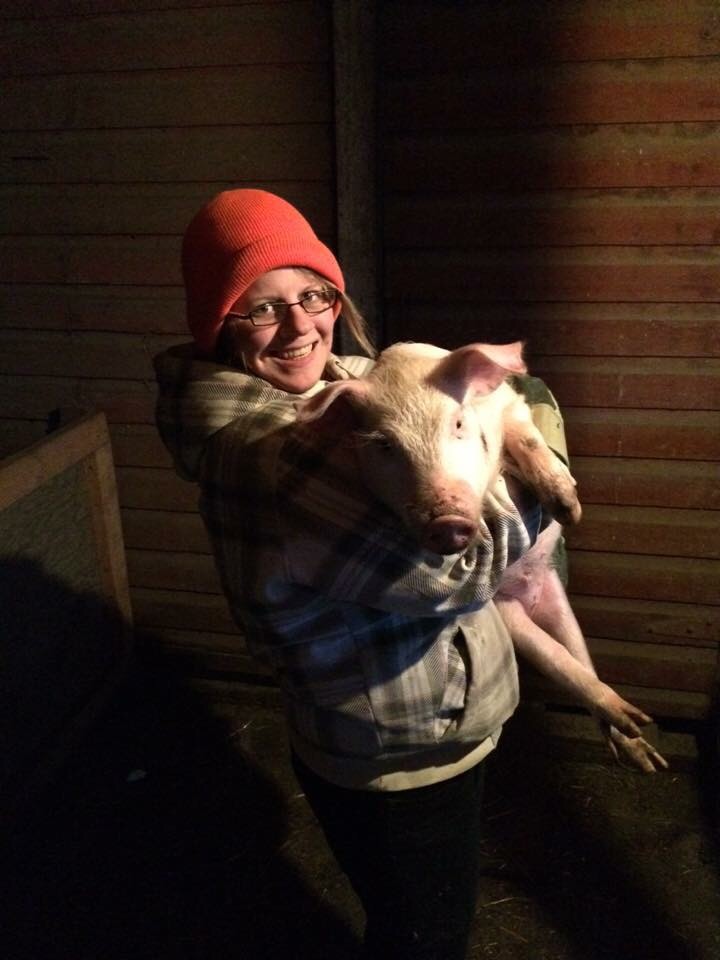
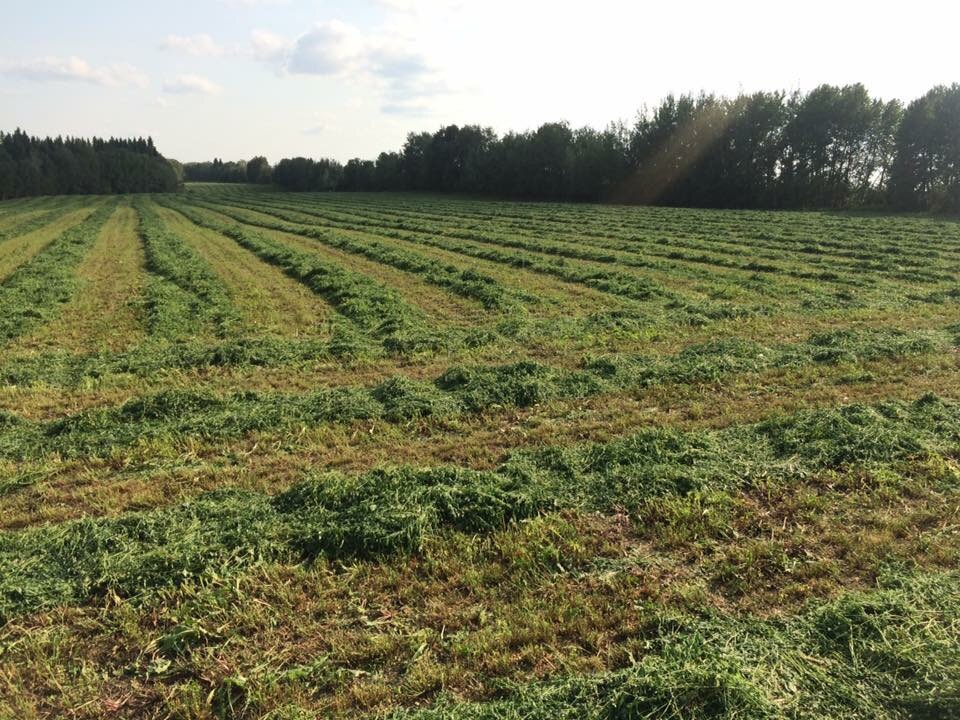
My husband and I have a small mixed farm in the Nipawin area. We started seriously farming about three years ago by baling hay and straw, and raising pigs. As the years have progressed, we have added both forage acres and animals – beef cattle, turkeys, butcher chickens, and laying hens. What originally started as a way to feed our own family has grown into feeding other people’s families as well.

Our goal from the beginning has been to raise quality products. We want clients to feel comfortable knowing that they are purchasing healthy animals and fresh forages. If we wouldn’t put it on our own table (or feed it to our own animals), then we won’t sell it! 

While starting a farm from scratch has had its share of challenges, it has most definitely been rewarding. We have had the opportunity to cultivate relationships with clients, and meet many new people. Connecting with fellow farmers has allowed us to exchange ideas and discuss the challenges facing the agriculture industry. But the best part of farming has been the lifestyle – being able to farm together, and having a great place to raise our family!

Avery Ens

JAE Farms

Codette, SK

#OurFoodHasAStory Post 5 Kali Cortus: Mother Gardener

Kali Cortus is a great family friend. Her and her family live in my hometown, and her husband helps my family’s farm during harvest. You can learn more about her financial work here. I love her story of how her son has not only connected with food himself, but helped her as well! 

……………………………………………………

I have always been a townie and so have our kids. We have never grown a crop or had a garden. Fortunately, we haven’t been deprived of fresh garden food as there is always someone who grew too much and are willing to share!This year our 12 year decide he wanted to grow a garden in the back corner of our yard where the swing set and sand box used to be. We thought why not, something needs to be done to that empty space anyway. He chose the vegetables he wanted, which included purple potatoes, that’s his favorite colour.


He was always out there checking for new growth from the time the plants were just starting to pop out of the ground. It kept him interested every single day. Although weeding wasn’t his forte, picking the fresh food was rewarding.

I even cooked a full meal for a certain farm family and their harvest crew using only the veggies from the garden…..even the meat was provided by our own hunters.

#OurFoodHasAStory Post 4: Tara Davidson on Ranching, Family and Prairie Conservation

Day four of Agricuture Month in Saskatchewan brings us a guest post from Tara Davidson. Tara is a friend and fellow RancHER from Ponteix, Sask. Her ability to work the ranch on a daily basis with her children, including a tiny baby, astounds me – she is a Super Woman!! While our ranches are quite different, I am continually amazed at how closely our stories align. I hope you enjoy Tara’s food story!! 

Follow Tara on Twitter @tara_m_davidson or check out her Lonesome Dove Ranch here

……………………………………………………


It’s October in Saskatchewan, which means it’s a busy time of year for farmers and ranchers. It’s also Agriculture Awareness Month and I’m pleased to share my food story.

Along with my husband Ross and our four young children, we own and operate Lonesome Dove Ranch, in southwest Saskatchewan near Ponteix. We run a cow-calf operation, rely on ranch horses and cattle dogs in our daily work, and (mostly) enjoy the ups and downs of a large working cattle ranch.

I’m a rancHER, so part of my food story includes raising purebred and commercial Gelbvieh cattle. We raise cattle that other ranchers purchase to build their herds from and we also raise cattle that go into the food chain. Whichever the destination, my story includes understanding why I use certain production practices on my farm and being able to explain them to others, whether it is a fellow cattle producer or the general consuming public. For us, accountability is an essential part of operating our ranch.


I’m a mother, so part of my food story means trying to provide our children with a nutritious and balanced diet. Like many families, we are on the run with school and extracurricular activities but fortunately we are lucky most nights to have supper together as a family. Trying to plan and prepare meals for four hungry kids (ok, three – my infant is pretty easy to feed at the moment!) is always a constant, underlying responsibility. When consumers tell me safety, cost, and convenience are high on their priority list, I completely understand because they are important to me as well!


I’m a Professional Agrologist and work as a grassland specialist. Part of my food story is the story behind raising cattle… the grasslands, water resources, and biodiversity that cattle play a role in conserving! Livestock graze land that is unsuitable for producing food, converting native prairie and tame forage into beef, all while maintaining habitat for species at risk, pollinators and other wildlife. Grasslands sequester carbon, filter nutrients, retain rainfall (a pretty precious resource in my neck of the woods), maintain soil biological health, and they require few inputs, other than fence and stock water.  

I’m a writer, so part of my food story is…writing food stories! I need to continuously ask myself, who is my audience? What are my objectives? If I’m writing on behalf of an organization, am I sure that I’m representing them appropriately? If I’m writing as “me” on my blog, am I sharing thought-provoking content? Or am I just ranting? I hope to share my perspective as a rancHER in a way that I’m proud of and can stand behind.  


Every good story has a beginning, a middle and an end and the storyline depends largely on who is doing the telling. Food stories are no different, and everyone’s role and voice is valuable, whether it’s that of a farmer, a concerned consumer, a curious parent, a research scientist, or a food retailer.


I’m raising my family while growing food that feeds other families, in a way that conserves land and water resources. That is my food story, and I’m proud of it.

#OurFoodHasAStory Post 3: Candace By, An Agriculturalists Living in the City

Today’s guest post is from Candace By, someone I would call an agriculturist – someone who works in agriculture, although they may not actively farm themselves. I am always interesting in people’s opinions on food and farming from those who do not raise food themselves, yet have a close relationship with those who do.  I hope you enjoy her Saskatchewan Food Story as much as I did! 

Follow Candace on Twitter at @ByCandace and see her work at Charolais Banner here

……………………………………………………


Being raised on a mixed farm provided me with a broad spectrum of food experience. We had our own beef, our own chickens, and a large garden for canning and freezing the fresh tastes of summer.

I have lived in the city now longer than I lived on the farm. When we first bought our house I was excited to plant a garden, albeit a small garden. I planted it with the faith of all gardeners and a mouth watering for fresh home-grown tomatoes I would undoubtedly enjoy later. Our beautiful yard did not lend itself well to tomatoes. The heavy clay soil and strong canopy of shade provided by an over abundance of trees, just didn’t grow tomatoes.

Being the optimist I am, I thought I would try something different the next year. Zucchini appeared to be the solution. Who can’t grow zucchini? Apparently our yard can’t. With all of the care and watering, we still received no zucchini to feast upon. 

The decision was simple – unless we moved or took out a ton of trees, we would have to rely on the farmers of the area for our fresh, home-grown summer flavours. We are fortunate to live in a city that has a Farmer’s Market twice a week and a Market Garden that is open every day of the week.

We support the people who make a living growing the produce we enjoy. We admit they have the land prepared for the venture. They know the companion crops that work best. They bring it to our city and we willingly pay for its goodness.

Although I may not be able to grow a garden, I still take pride in cooking my food the farm way– from scratch. It never ceases to amaze me how even the simplest meal can receive rave reviews from our city friends. I often wonder why? They want to know what I put in my hamburgers. What is the secret ingredient in my fruit crisp? There are no secret ingredients. Maybe it is the confidence I have in our food. Maybe it is the love I put in the meals I prepare. Maybe it is knowing the ingredients I buy are safe and full of wholesome goodness. Maybe it is the cooked-from-scratch dishes that not everyone is used to these days.

Now we are content to have beautiful flowers and a nice lawn. I have found I can grow an abundance of fresh herbs and keep my dehydrator going for weeks in the fall. I can even make mojito mint ice-cubes to last until next summer. It makes me feel like a piece of me is still farming.

We will continue to do what we can and support those who do what we can’t. We will use others’ skills and produce for our home-cooked gourmet goodness. We will continue to be thankful we live in a country where we can walk into a store and see well-stocked shelves. 

#OurFoodHasAStory Post 2 Kylie McRea 

My first guest blog post was written by a good friend of mine, Kylie McRea. Kylie and Darren Ippolitto have been a huge part of our ranch success, as we buy the majority of our bulls from them. Their genetics, as well as their experience and wisdom have helped us improve our cattle herd year over year. As a new mother, I was looking forward to reading Kylie’s food story. Enjoy!!

……………………………………………………

Thank you Adrienne for the opportunity to submit a blog post in celebration of “Saskatchewan’s Agriculture Month”.

My name is Kylie McRae, and I am part of the team at Moose Creek Red Angus {check them out here!}, a family run purebred and commercial Red Angus cattle operation at Kisbey, Saskatchewan.  

How lucky can a gal get… to be a part of Saskatchewan’s Agriculture industry. On a daily basis I get to work outside on the land, take care of animals, work with family, grow food for my family, and now I get the opportunity to raise our son Kord here on the ranch. 

 Kord was lucky enough to be born at the beginning of our calving season, February 21st. With this being our first child, it was suitable that I was giving birth in sync with the heifers (first time calvers). So from an early age he has been helping me on the ranch, everything from checking calves, bedding barns and feeding cows (those Ergo baby carriers sure are handy) because let’s face it, there is always work to be done. I think that exposing him to different types of animals, hay and other farm smells at a young age will reduce his risk of major allergies to pets, dust, hay etc. as he gets older.  

Kord is the lucky one now. He gets to grow up on a ranch; surrounded by his family, pets, livestock, friends and Mother Nature. I will be able to tell him to “get outside” and not have to worry about him staying in a fenced yard, or strangers… although I may have to put a sign in our yard to slow traffic down… but regardless growing up in the country is definitely a blessing. 

 I was lucky enough to grow up on a farm, and I am thankful that my parents chose to raise me there along with my siblings. The family values it instilled, lessons in teamwork, and close relationships we were able to form with grandparents and extended family was something I am truly grateful for.  

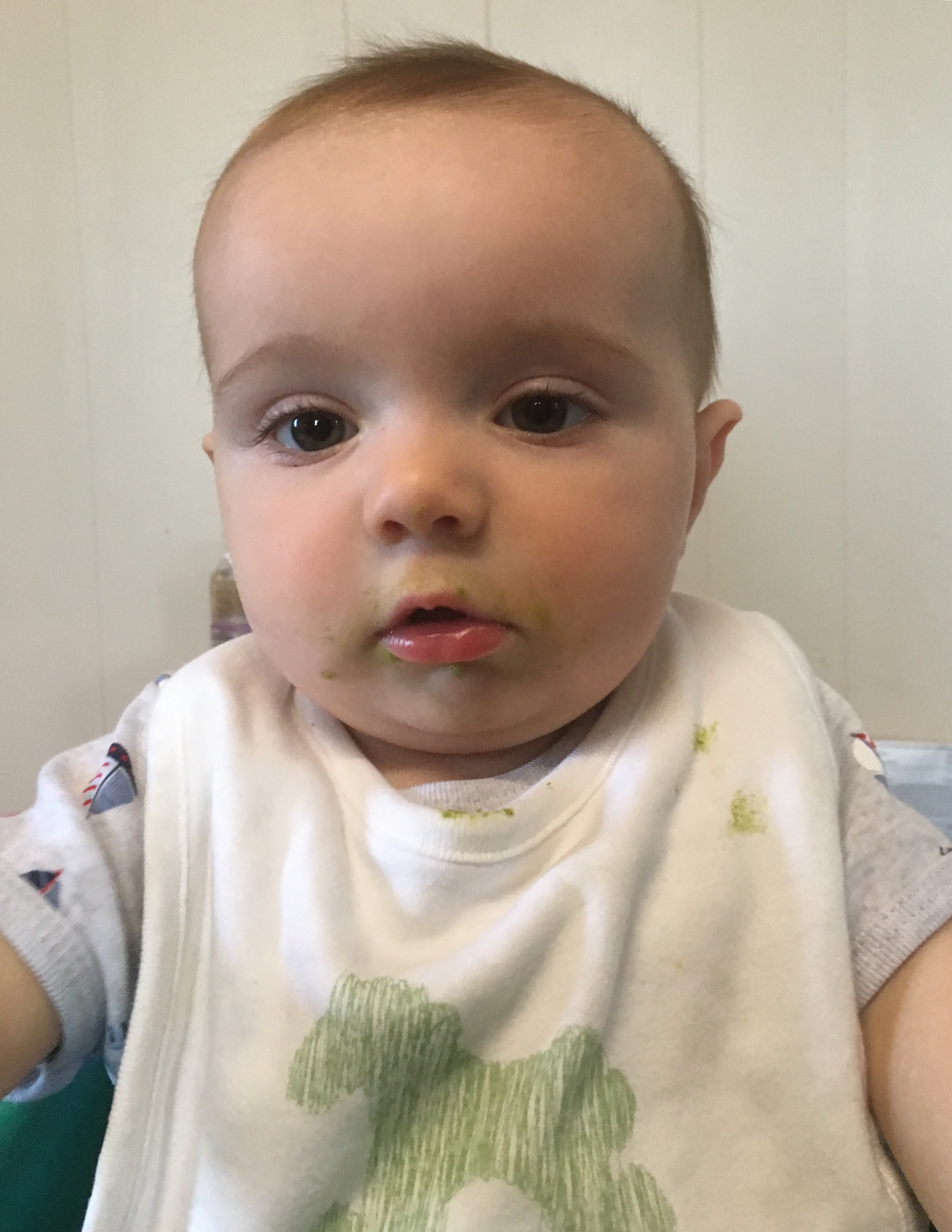
There is a strong sense of pride growing your own food, and you gain extra satisfaction at every meal. We are lucky to have a freezer full of beef and pork we raised, chicken from our neighbour, and fish from a northern fisherman. The beef may or may not have had added growth hormones, and maybe at some point it had to be treated with antibiotics for an ailment, but it really doesn’t matter to me. The food safety standards of Canadian beef assure me that by the time these animals are butchered, they are safe to eat. It is safe because the proper length of time has passed for the withdrawal periods, meaning any added hormones or antibiotics have long since left the animal’s system, so you are not eating them in your meat. All the fear marketing occurring these days is really just fear mongering without any science to substantiate claims. I ate beef all throughout my pregnancy, and I had a healthy happy pregnancy. The first meat Kord has tried, now that he is eating solids, was roast beef. Healthy, nutritious and safe to eat, Canadian beef is my protein of choice! Tonight for supper Kord got to eat a variety of foods raised right here on the ranch, beef, apples and beans! Now that is food with a story. #OurFoodHasAStory


 Supper for 7 month old Kord, made with homegrown beef, beans and applesauce from our ranch. #OurFoodHasAStory


 Kord enjoying his supper made from food all grown here on the ranch. #LoveCDNBeef #EatBeef #nomnom