What Easter Looks Like on the Ranch

Easter is always an exciting time on the ranch. Although we are not calving yet, it feels good knowing that it’s just around the corner. The snow is close to gone, and the weather looks really good for the next few weeks. 

Even though Easter is a holiday, it is still a busy time for us, as animals still need to be fed, and chores need to be taken care of. Here is a quick look at what Easter looks like for us. 
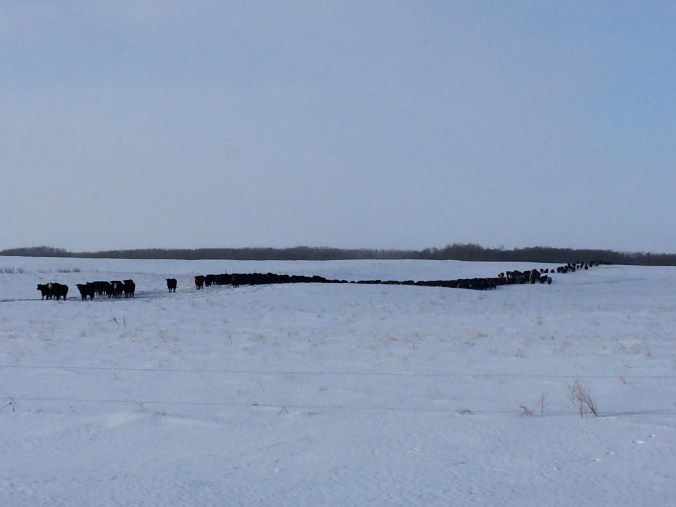
 

Aaron heads out first thing in the morning to feed the cows in the pasture, as well as the 1000 calves in the feedlot. This usually takes a good half a day this time of year. 

The kids went out to help, and finish up their own chores at the same time. They haul pails of grain to last years orphan calves as well as the horses every day. 


While Aaron is finishing up chores, the kids, Grandma W and I decorate Easter  eggs. It’s a messy job, but the results are worth it!
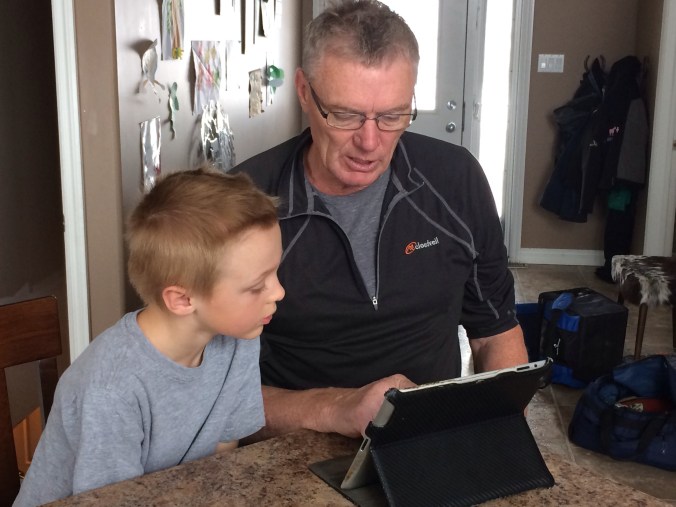
 After chores and eggs are done, Papa W spends time with Cole learning about firearm safety. He has brought a special gun down, and is teaching Cole the all important safety rules before he gets a chance to take his landmark first ever shot. 

Golden Rule #1 “Assume every firearm is ALWAYS loaded.”
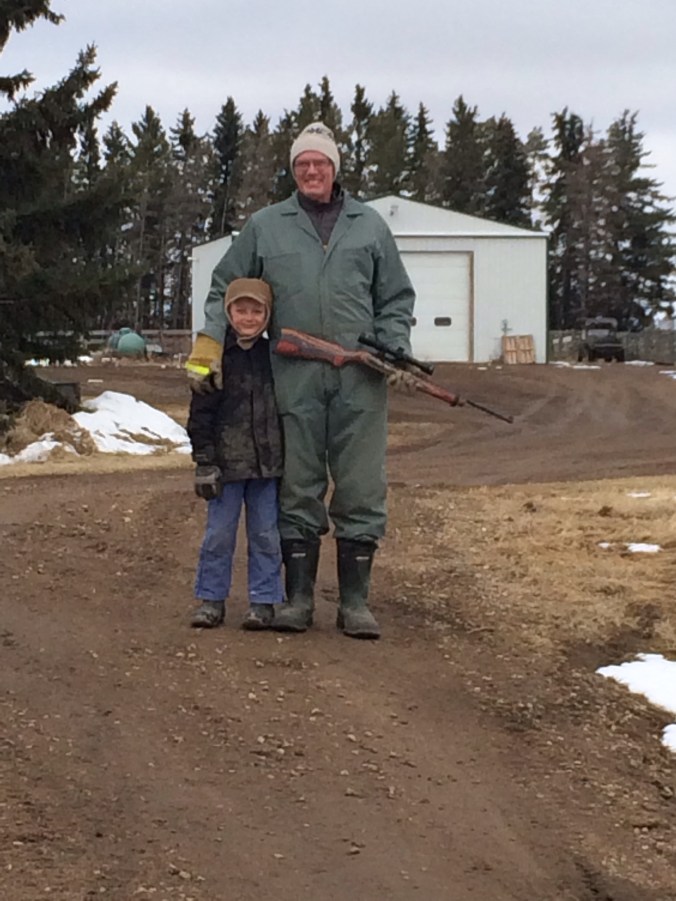
 

Then off they go for some target practice. Cole is pumped to hit three out of three of his first shots. Even Noelle takes a turn. 


 While they guys are shooting, I take the opportunity to use Grandma W’s expertise and learn how to trim Fred the Pony’s hooves. 


 We head down to the Fort for groceries (about a 45 min drive), and stop in at the local pottery shop. Bowls anyone?


 After supper we gather around the table to play Farmopoly – the farmer’s version of Monopoly. Apparently I have zero skills at board games, but still managed to be farmer of the year. How suiting!
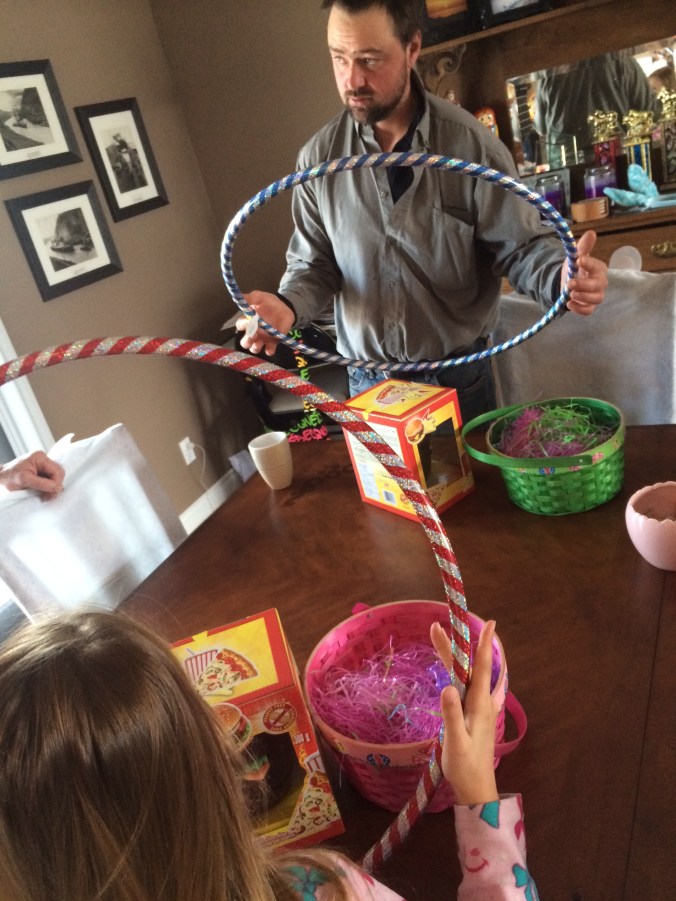
 

The Easter Bunny visited us overnight. At the sight of the hula hoops he left for the kids, someone yells “New seedling counters!!”.  

Cows, eggs, guns, ponies, bowls and games. Not bad for one day!
All About The Beef

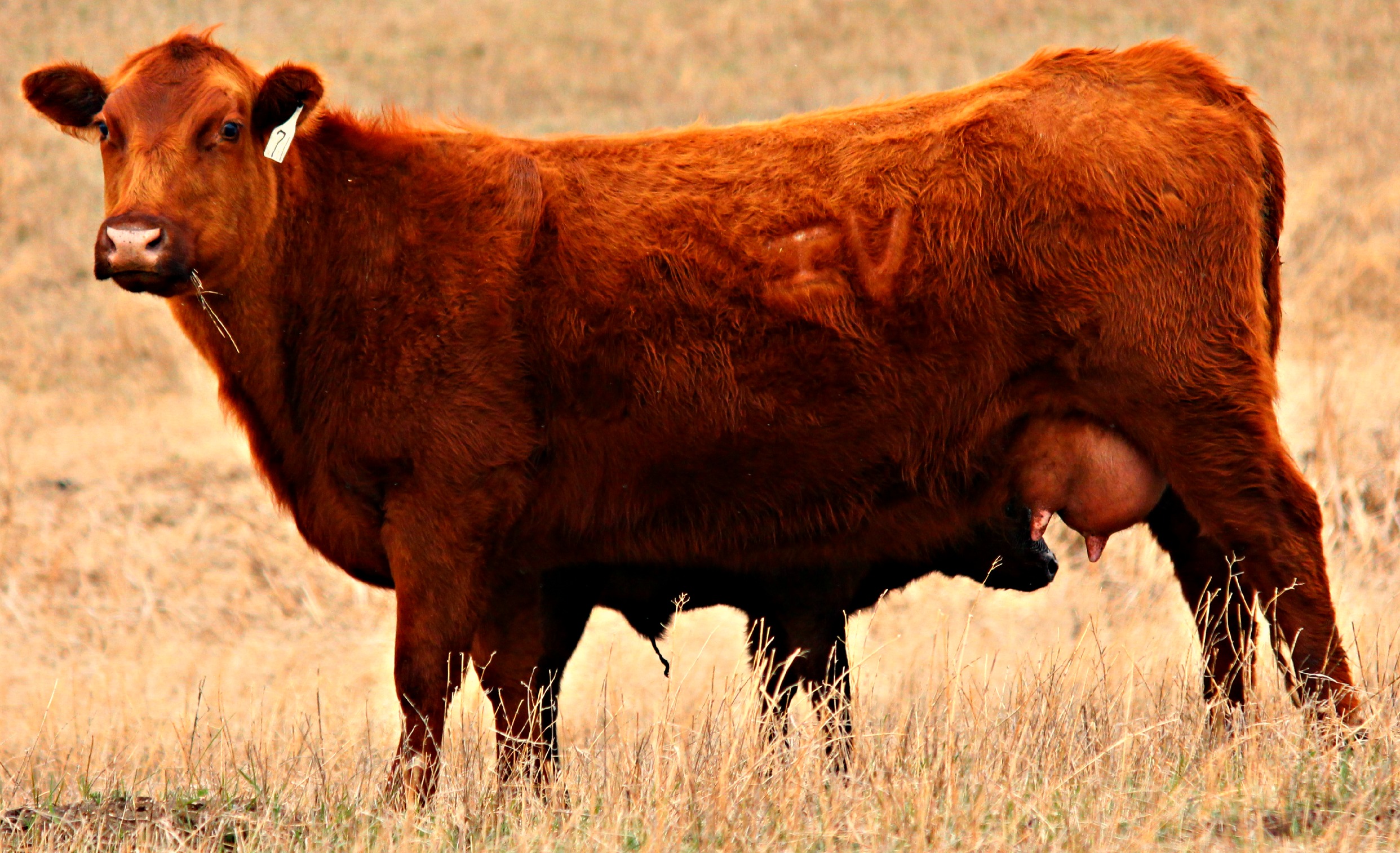
On our ranch Evergreen Cattle Company we literally eat, breathe and sleep beef.red cow and calf 3

The following is a brief run-down on what our ranch is all about, and how we make it work.

We run approximately 1100 mother cows that calve every spring in May\June. This is quite a bit later calving than what is traditional in Saskatchewan, but we feel that the warmer and (hopefully) drier weather gives our calves the best start in life possible. Other than the odd May snowstorm (which has happened way too often in recent years), we do not have to worry about calves freezing. As well, having the cows calve out on pasture, rather than in dense corrals in the yard, means better calf and cow health overall. Time in the spring can be tight, as we are simultaneously calving and seeding the spring crop, but the long days and sleepless nights are worth it in the end.

The cow\calf pairs are kept out on pasture for the summer/fall. They are split into grazing herds of a more manageable size – usually around 250 to 300 pairs each. We strongly believe in the plant and soil benefits of rotational grazing, so the herds are moved every 3-4 days onto fresh pasture. Our 9000 acres of farm and pastureland looks a little like an ill-fitting jigsaw puzzle with an impossible maze running through it of fence lines, paddocks, tree bluffs, sloughs (wetlands), and gates which never seem to be in the right place! Moving these pairs is sometimes an adventure of it’s own, with calves running helter skelter and cows running looking for calves

SONY DSC

Alongside these cow/calf pairs, we graze last years’ calves as yearlings. Yearlings are still growing and have different nutritional requirements than cows, so they must be grazed separately. Also, while all mature cows are bred during the summer, only the top “select” heifers are bred, and will stay in our breeding herd. These yearling herds are also moved every few days throughout the grazing season.

In late fall, the yearlings are rounded up and brought into the yard to be processed, which means being weighed, treated for parasites (like deworming a pet) and treated for any illnesses. They are then hauled to an off-farm feedlot to be finished, or fattened.

The calves stay with the cows until mid-winter, usually January to February. The timing of weaning depends on how high or low the quality of feed was for that year, as well as how severe of a winter it has been. This delayed weaning means the calves stay healthier living on pasture with the cows. When they are weaned, the calves go into our feedlot to be backgrounded. This mean they are given a ration of feed that allows them to grow, rather than fatten them up. They are then turned back out onto grass as soon as possible in the spring.

Throughout the winter months, the cows remain out on pasture – with or without their calves. They are moved through a series of hay fields that have the bales left on them. Once the cows have finished all the bales on a particular field, they are moved onto the next one. We love our system of taking the cattle to the feed, rather than the feed to the cattle. The cattle are healthier, and the manure stays out on the field where it can fertilize next year’s hay crop.

As you can see, there is really no “off season” for cattle ranchers. Our animals are looked after 365 days a year, but it is a lifestyle we love, and a finished product that we love to eat!